A flat battery is the most common reason drivers get stuck on the roadside in the UK, and it usually catches you out at exactly the wrong moment: on a cold morning when you're already running late.
The RAC's own patrol data backs this up; battery failure has long been the single biggest cause of breakdowns the organisation attends. In fact, on the first Monday back at work in January 2025, a quarter of all RAC breakdowns were caused by flat batteries!
The good news is that a dying battery rarely fails without warning. It tends to give you several clues in the days or weeks beforehand, so knowing what to look out for means you can get it tested or replaced before you're standing on a cold pavement waiting for a jump start.
How to Tell If Your Car Battery is Dying
Most of these signs are easy to miss on their own, but together they paint a clear picture of a battery on its way out. Here's what to watch for, roughly in the order most drivers notice them:
Sign | What it looks like |
Slow engine crank | The engine turns over more sluggishly than normal, especially on a cold start. |
Dim or flickering lights | Headlights look duller than usual, or interior lights flicker as the engine starts. |
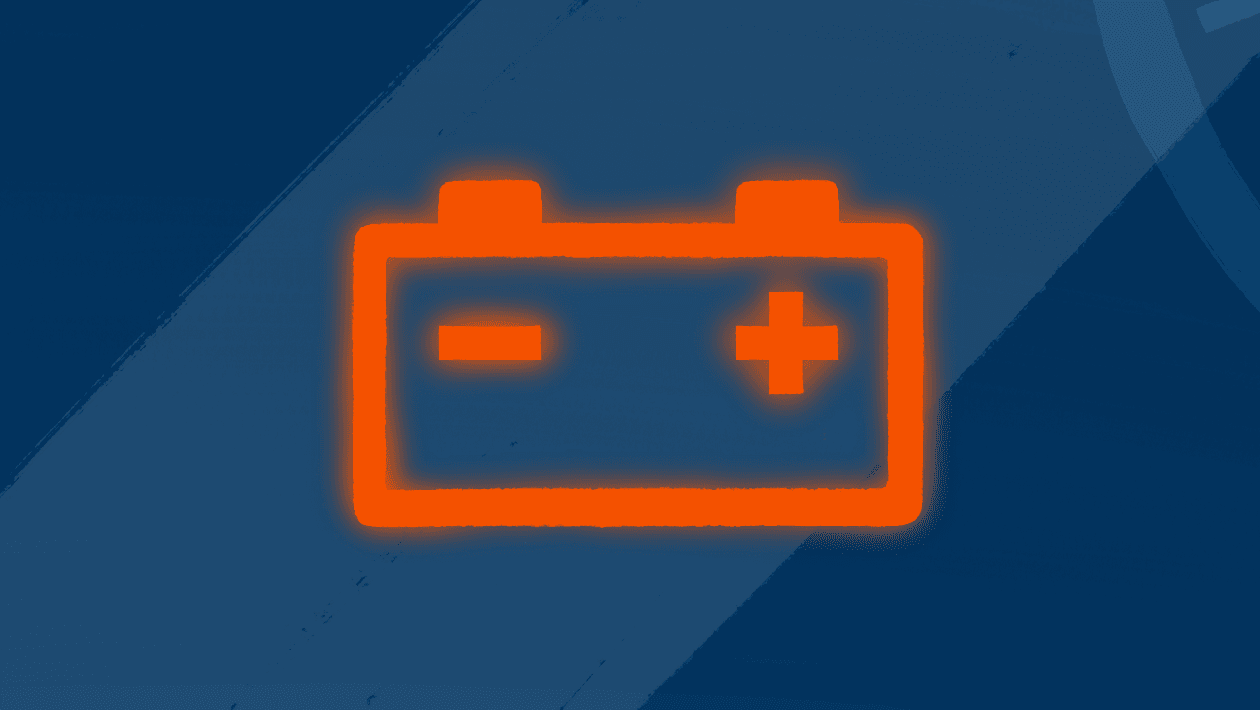
Battery warning light | The battery symbol on the dashboard lights up, sometimes alongside other electrical warnings. |
Electrical faults | Windows move slowly, the radio resets or Bluetooth drops and has to reconnect. |
Clicking when starting | A rapid clicking sound instead of the engine turning over. |
Corrosion, swelling or smell | White, blue or greenish residue on the terminals, or a rotten-egg smell under the bonnet. |
Repeated jump starts | Needing a jump start more than once in a short space of time. |
Battery age | The battery is three to five years old or older, even with no symptoms yet. |
Slow or Struggling Engine Crank
If turning the key results in a slower, more laboured crank than usual, the battery is struggling to deliver enough current to the starter motor. This gets noticeably worse in cold weather, since low temperatures reduce a battery's ability to deliver power just as the engine needs more of it to turn over.
Dim or Flickering Lights
If your headlights seem dimmer than usual, particularly when idling, or your interior lights flicker as you start the engine, your battery is likely struggling to hold a steady charge. It's often easiest to spot at night, when the drop in brightness stands out more.
Battery Warning Light on the Dashboard
A battery symbol lighting up on the dashboard is the car telling you directly that something's wrong with the charging system. That can mean the battery itself, but it can equally point to a fault with the alternator, so it's worth reading up on whether it's your alternator or your battery before assuming which one needs replacing.
Electrical Faults (Windows, Radio, Infotainment etc)
Modern cars run a lot of electrical components, so a weakening battery often shows up first in small, easy-to-dismiss ways: windows that move slower, a radio or infotainment screen that resets itself or other irritating glitches with your car’s electrics.
Clicking Sound When You Turn the Key
A rapid clicking noise when you turn the key means the starter motor isn't getting enough electricity to engage properly. It's a distinct sound from a slow crank, and it usually means the battery has less charge left to give than you'd hope.
Corrosion, Swelling or Smell
Pop the bonnet and look at the battery itself. White, blue or greenish residue around the terminals is corrosion, which interferes with the flow of power.
A case that looks swollen or cracked, or a sulphurous, rotten-egg smell, are more serious signs that you should get checked straightaway rather than waiting for the battery to fail completely.
Needing Frequent Jump Starts
One flat battery after leaving the lights on overnight isn't necessarily anything to worry about. Needing a jump start more than once in a short space of time is a different matter, and it usually means the battery can no longer hold a charge properly.
Your Battery is Getting Old (3–5 Years)
Most car batteries last somewhere between three and five years. Your battery may last less than 3 years if you regularly drive short distances that don't give the alternator enough time to recharge it fully.
If yours is approaching its third birthday, it's worth getting it tested even without any of the symptoms above.
When Your Car Battery Actually Starts to Fail
While winter is when most batteries fail, problems actually start earlier in the year. John Rawlins, Marketing Manager at Clarios, the world’s largest car battery supplier and the company that manufacture VARTA, explains why:
“Most drivers assume that a battery which doesn’t survive winter has been majorly affected by the cold weather, but this is only what kills it off. Extreme heat can accelerate deterioration within older batteries, as the high temperature can speed up the chemical reaction inside, cause water in the electrolyte to evaporate and cause corrosion to the lead grids. You’ll only notice this when the temperature drops.
“As a result, we recommend checking the health of your battery throughout the year, not just at the start of winter, to keep ahead of any potential failures.”
What to Do If You Spot Your Battery Failing
If you've noticed one or two of the signs above, don't ignore them and hope they go away. Start by checking the obvious things yourself: clean off any visible corrosion on the terminals, make sure everything electrical is switched off before you leave the car, and note down how old the battery is if you can find a date on the casing.
If a jump start gets you going, treat it as a temporary fix rather than a solution. Drive for at least twenty minutes to let the alternator top the battery back up, then get it looked at properly rather than waiting to see if the problem comes back.
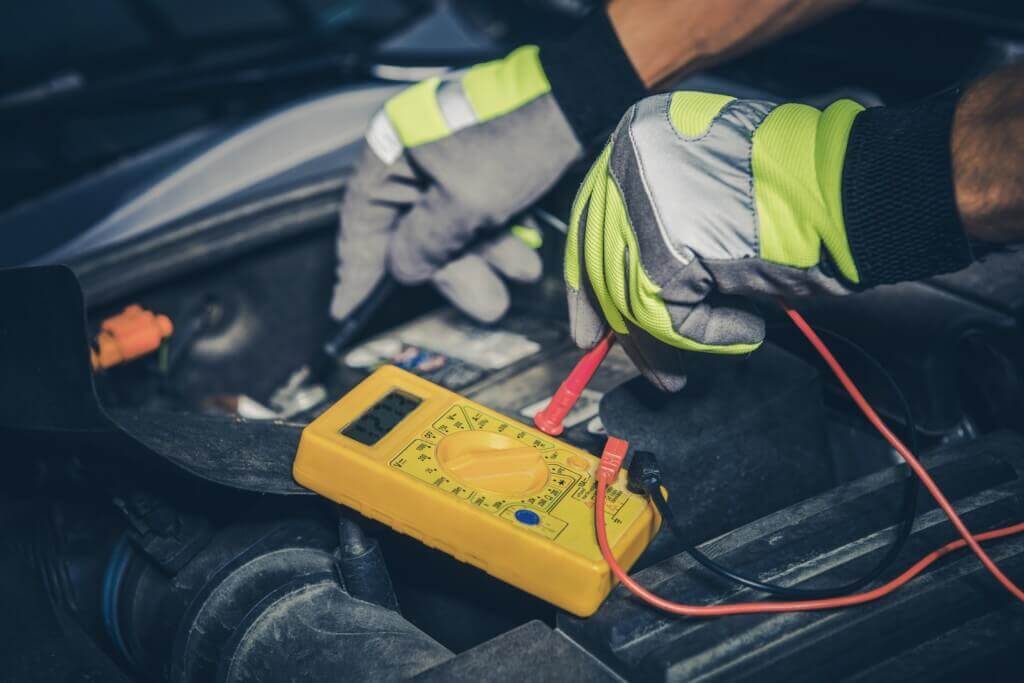
A garage can test the battery's health properly with a voltage and load test, which will tell you whether it needs charging, testing again in a few weeks, or replacing outright.
If you do need to replace the battery, there are a few elements you need to consider. “When you choose a replacement battery, you get what you pay for,” John says. “A premium battery lasts longer and gives you better performance, not least because it’s what would have been installed in your car when new, while a lower cost option is more likely to need replacing again sooner than a high quality battery.
“Most importantly, you should always match your battery to your vehicle. Fitting a battery that doesn’t suit your car can lead to performance issues and other problems. If your car is designed to use a start-stop battery (AGM or EFB technology), you should always replace it like-for-like – otherwise any potential savings you might make will be spent on repeat repairs!”
Once you know a replacement is the right call, you can compare and book a car battery replacement through BookMyGarage in under a minute.
Why Book Your Battery Replacement Through BookMyGarage
● BMG-Verified Garages — local businesses that offer great value and consistently meet service standards. Look for the BMG-Verified badge to find the garages we've ensured meet our high standards for customer service, ratings and reliability.
● We Show the Full Picture — all up front: prices, reviews, availability, and distance, so you can choose the right garage based on what matters most to you.
● Real Reviews — genuine, verified feedback from drivers like you. Every review helps you book with confidence.
● No Upfront Payment — we won’t ask for any payment details when you book. Pay the test centre directly once the work's complete*.
● Compare & Book in Seconds — see your options side by side and choose the right garage for you. No jargon. No stress. No surprises.
*some mobile technicians (that come out to you) may require an upfront payment or commitment, please check this with them first.
These are just some of the reasons to choose BookMyGarage — enter your reg and postcode to compare battery replacement deals near you.





No comments yet
Leave a comment