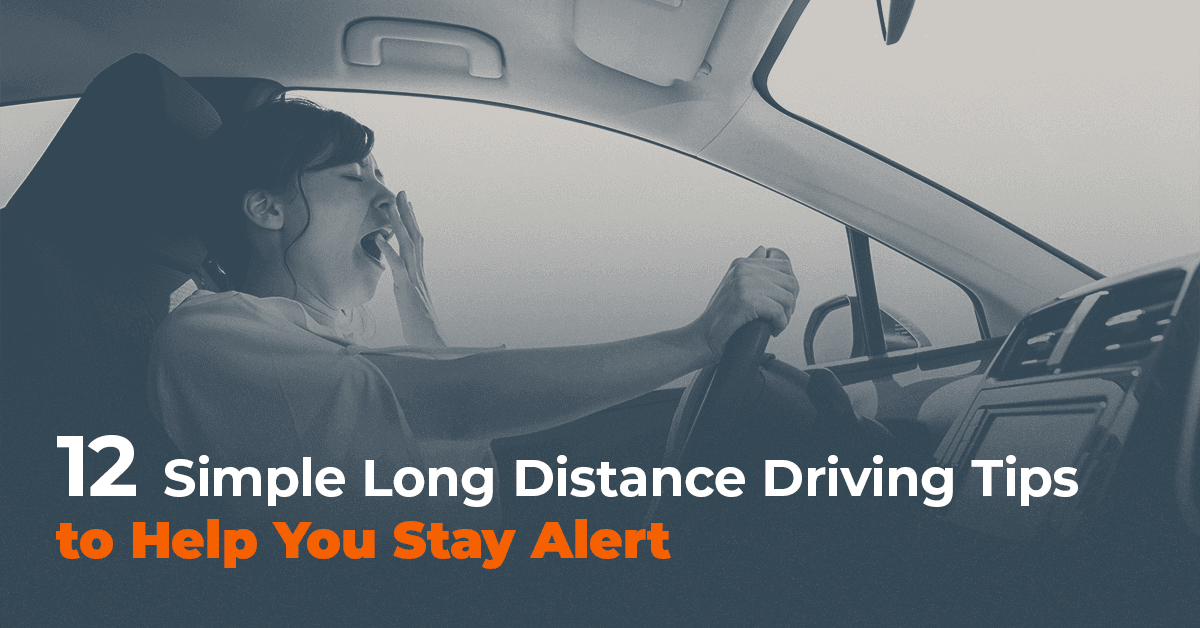
Whether you’re heading off to see family or taking a road trip with friends, a long-distance drive can be a lot of fun.
If you’re the one driving, you want to make sure you’ve taken steps to curb the tiredness and get ready so that you can get more from your journey.
Been a while since you’ve gone on a long-distance drive? Take a look at some of our top tips so you can get the most out of your trip...
Page Contents
Get Familiar with Your Route
Even if you know your route well, unexpected road works or traffic can put a spanner in the works, so make sure you check this regularly to ensure you stay ahead of any changes.
If the weather is particularly bad and you can delay your trip, it may be worth waiting until a later date so that you stay safe as you drive.
Depending on how long the drive is, you may wish to book accommodation along your route in advance, so that you know you’ll have a place to stay and have the chance to take a break from driving.
When you’ve only got a set amount of time to explore, it can help to check the opening hours of the places you want to visit in advance.
That way, you know which days should be dedicated to which activities – especially if your chosen destination is closed on certain days!
Bonus Tip: If you have an electric vehicle, make sure that you know the location of the charging points along your route, so that you can plan when you want to stop effectively.
Check Your Car
If you know you’ve got a road trip on the horizon, don’t leave it to the last minute to check your car.
In the weeks and days leading up to your journey, it can be helpful to carry out a visual inspection of your car.
Check the pressure and tread of your tyres – try the 20p test for this – to make sure they’re legal.
You may even wish to learn how to change a spare tyre, if you don’t already know how.
Any problems with your car’s lights, windscreen or wipers need to be fixed ahead of time to give you full visibility as you drive.
Even minor issues like cracks can worsen quickly, so don’t take the risk.
If you notice any problems that need fixed before your journey, you can find a same or next day appointment at many garages to get your car in good condition even at short notice.
Or you can opt for a mobile mechanic if you don’t have the time to get your car to a physical garage – perfect if your car isn’t in a driveable condition.
Bonus Tip: Top up all your car’s vital fluids before you set off, such as the engine oil, coolant, screen wash and fuel. You may even wish to book a vehicle safety check in advance of your journey.
Get a Good Night's Sleep
You don’t want to solely rely on caffeine during the drive, so a great journey really starts the night before.
It isn’t always easy to sleep – especially if you’re excited for your trip! – but aiming for at least 7 hours of sleep the nights before you set off can be a big help.
To make your life easier, it can be helpful to lay out comfy clothes and shoes the night before so that there’s one less thing for you to think about.
Bonus Tip: Try putting your phone away a while before you wind down so that the blue light doesn’t interfere with your slumber.
Get Comfy
If you ever feel stiff after a day of sitting slouched on the couch, then you can probably imagine how uncomfortable it’ll be to tackle a long drive without setting your seat up properly first.
Tips for Making Your Car Comfortable:
- If you have to overextend to reach the clutch pedal, move your seat closer using the lever underneath
- Make sure you can sit flat against the backrest, using the dial on the side of the chair
- If you have to stretch uncomfortably to reach the steering wheel, consult your vehicle handbook to move it closer
- Reposition mirrors and Sat Nav so you don’t have to twist to use them
- Ensure your hips are at the same height as your knees
- Ensure the head restraint is level with the top of your head
Pack Your Bags
What you pack will vary depending on the time of year – but it can be helpful to keep sunglasses and a jumper in the car, no matter the weather.
Once you’ve got your belongings together, you want to get everything in the car in the best way.
That means putting the heaviest items towards the centre of your car, with larger items nearer to the back.
Make sure that none of your things block your view or could hit passengers in the event you had to brake suddenly.
It’s also important to remember to pack your driving licence, and any documents you may need relating to car insurance or roadside assistance.
Keeping jump leads in the car can be helpful, too, in case of a flat battery.
You may even want to keep a physical map and any mobile numbers of people you’re meeting on a piece of paper in case anything happens.
If you’re driving solo, remember to keep your friends or family members updated, so that they know when to expect you and can help you if needed.
Lastly, of course, don’t forget to keep games, (audio)books or quizzes in the car to keep you and your passengers entertained throughout the journey.
Bonus Tip: Keep an emergency kit in your car at all times stocked with any essentials you might need, like a first aid kit and snacks.
Take Turns Driving
If you’re driving with a friend, taking turns driving can give you a chance to rest so that you feel refreshed when you get back in the driver’s seat.
You want to stop around every 2 hours for at least 15 minutes on longer drives to give yourself a chance to rest – thereby reducing the risk of falling into a micro-sleep whilst driving.
Make sure you all have the right insurance for your car, so you can share the driving time.
Bonus Tip: Why not make a playlist ahead of time? That way you won’t have to adjust the radio as you drive.
Now that you're ready to go, it's time for you to get excited about getting back out on the open road!







No comments yet
Leave a comment