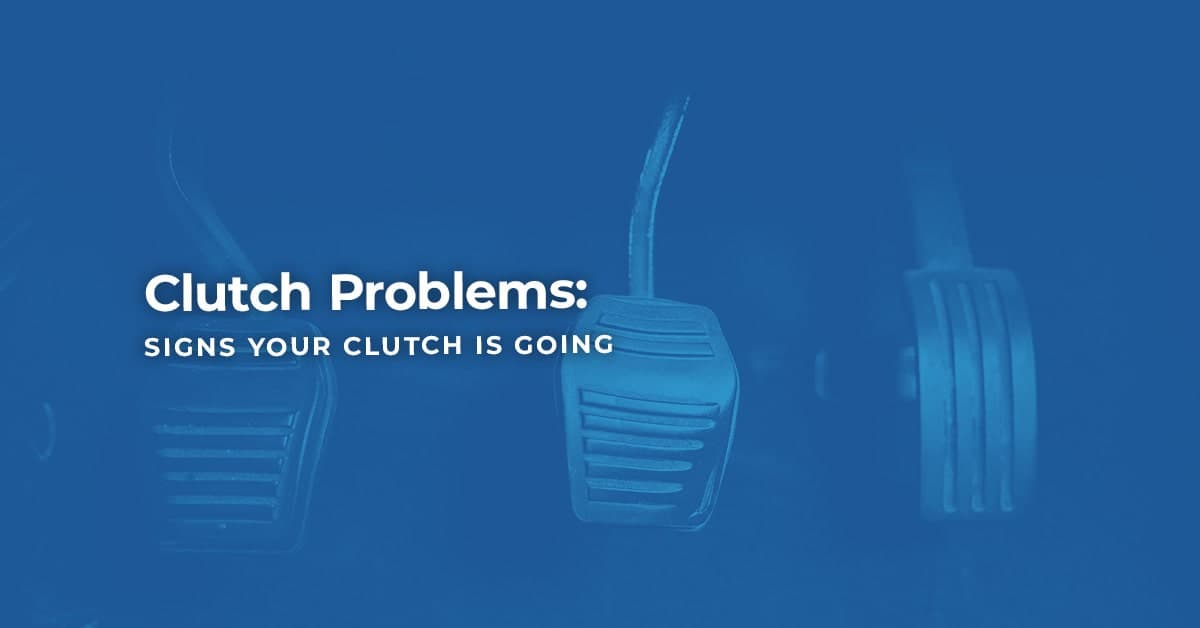
Understanding clutch problems is essential for maintaining your car’s performance and safety.
Whether you are trying to diagnose a current issue or preparing for the future, it pays to be proactive about clutch health.
Page Contents
Signs Your Clutch Is Going
Any of the following could indicate that your clutch is going:
- The clutch feels spongy
- The clutch is sticking
- The clutch is slipping
- The clutch vibrates when pressed
- You hear squeaking when you press the pedal
- You can rev the engine, but acceleration is poor
- It is difficult to shift gears
If you notice any of these warning signs, you should have your clutch system inspected by a qualified mechanic soon.
When you browse and compare garages on BookMyGarage, you can see instant prices to find the best deal on a clutch replacement near you.
Clutch Problems
Learn more about some of the most common clutch problems you could encounter so that you can recognise the signs of clutch failure early on.
If you aren’t sure what is causing your clutch problem, trust a professional mechanic to find and fix the issue for you.
Spongy Clutch Pedal
If your clutch is soft or spongy, then it may need bleeding.
Bleeding the clutch hydraulic system will remove air bubbles and help the system work properly.
Whilst it is technically possible to bleed a clutch yourself, we would strongly advise that you trust a certified mechanic to do this for you.
Alternatively, your car’s brake fluid may need to be topped up - low brake fluid can cause the clutch slave cylinder to struggle.
Sticking Clutch
There are a few issues which can cause your car's clutch pedal to stick:
- Clutch cable needs replacing
- Leaking hydraulic fluid
- Faulty clutch cylinder
- Broken clutch release bearing
- Lack of lubrication
- Contaminated lubricant
If you're struggling to get the clutch pedal to return to its normal position after depressing it, your vehicle may be struggling with this issue.
You should not continue to drive if your clutch pedal is sticking to the floor or acting strangely, as you won't have full control of the vehicle.
If this sounds like your problem, you should book an appointment at a local garage as soon as possible.
Make sure you get your recovery provider to tow your vehicle to the garage, as driving it will be very unsafe.
Low Clutch Fluid
Low clutch fluid can cause vibrations when you change gears and may result in increased resistance from the pedal.
If there is air in the hydraulic system due to low clutch fluid, this can make the pedal feel softer.
Low clutch fluid can be caused by a leak in the hydraulic system, likely caused by a worn-out seal.
To find out if your clutch fluid is low, locate the clutch master cylinder reservoir under the bonnet.
If it is low, you can top up with the recommended fluid type – refer to your owner’s manual if you want further clarification.
You should look for any signs of leaks around the master cylinder, slave cylinder and hydraulic lines.
Loose Clutch Pedal
If your clutch pedal feels loose, the clutch may need to be tightened up, or there could be an issue with the master cylinder.
If you can press your clutch pedal and it goes all the way to the floor with little resistance, then your clutch is loose and will require a clutch cable repair or replacement.
Grinding Noise When Pressing Clutch
A grinding noise when you press the clutch can be caused by any of the following:
- A worn clutch disc
- A worn release bearing
- A worn pilot bearing
- Low transmission fluid
- Internal damage
To find the exact cause, your clutch and transmission system needs to be inspected by a qualified mechanic.
Continuing to drive with this issue could cause significant damage, so you should address the problem sooner rather than later.
Clutch Judder
Clutch judder is what happens when your vehicle vibrates or jerks when the clutch is engaged or disengaged.
This can be caused by any of the following:
- A worn clutch disc
- A worn flywheel
- A worn pressure plate
- An incorrectly installed clutch
- Misalignment of the engine and transmission
You should have your vehicle looked at by an expert mechanic, and any worn or damaged components replaced.
How Does the Clutch in a Car Work?
The clutch connects your car’s two rotating shafts, allowing for three things to happen:
- The shafts lock together to spin at the same speed
- The shafts slip by a controlled amount when the pedal is partially depressed
- Or the shafts decouple so they spin at different speeds
Your engine spins all the time, but your wheels don’t.
To speed up, slow down or stop without killing the engine, the two need to be disconnected.
The clutch engages whilst your car is moving.
The pressure plate exerts constant force onto the driven plate through a diaphragm spring, locking it in place.
When you depress the pedal, you disengage the clutch.
An arm pushes the release bearing against the centre of the diaphragm spring, releasing the clamping pressure from the pressure plate.
This stops the power from the engine from reaching the wheels, allowing you to change gear.
Releasing the pedal re-engages the transmission.
Then, the friction linings on the driven plate smoothly take up the drive again.
How Can I Extend the Lifespan of My Clutch?
Want to make your clutch last as long as possible? Then you should bear these things in mind as you drive...
Don't Ride the Clutch
Riding the clutch – AKA keeping the clutch partly depressed whilst driving – is one of the most common ways that people wear out their car’s clutch.
Whilst this can make it feel like you are better prepared to change gears, all you’re doing is actually eroding the clutch.
Even light pressure on the clutch pedal can generate friction with the clutch plate, which will wear your clutch away over time.
Top Up the Clutch Reservoir
If there isn’t enough fluid in the reservoir, then your clutch won’t work properly.
The clutch reservoir is under the bonnet and needs to be topped up regularly to ensure that your vehicle is safe to drive.
Without adequate fluid, you won’t be able to press on the clutch pedal, which could make gear changes more of a challenge in an emergency.
You should top up the brake fluid to just below the cap of the reservoir.
If you have to top up the fluid levels more often, have a mechanic look at your car to check there isn’t an underlying issue which needs to be addressed.
Clutch fluid – which is basically the same as brake fluid, but kept in the clutch master cylinder – should be replenished every 20,000 miles or 2 years.
If your gear movements have slowed down or become less responsive, your clutch fluid may need to be refilled.
Clutch problems can sometimes relate to issues with the gearbox, so you may require a gearbox repair instead.
A professional mechanic will be able to diagnose the issue for you.
Drive, Shift and Stop Gently
You may not realise in the moment, but the longer you take to carry out a gear change, the more strain you’ll be placing on the clutch disc.
Try to engage and disengage the clutch carefully, and only when absolutely necessary.
Aim to maintain a constant speed, master clutch control and avoid unnecessary gear changes, too.
Don't Overload Your Car
Is it time for a clear out? Next time you go to clean your car, consider emptying the boot as well.
Excess weight can put extra strain on vital components like the clutch and tyres.
Listen Out for Strange Noises
Any changes in your vehicle’s behaviour can signal that something’s wrong.
Every week, take time to drive without the radio on so that you can listen out for any unusual sounds coming from the clutch or car.
If you hear a high-pitched squeaking when you press the pedal, there could be an issue with the clutch release of throw-out bearings.
Juddering or jolting movements should also be noted, as this could be a sign that the clutch needs to be fixed.
Pay special attention when changing gear or parking so that you can avoid a costly clutch replacement later down the line.
Use the Handbrake on Hills
For new drivers, hill starts can be particularly stressful.
By using the handbrake and not solely relying on the clutch to keep you in place on a hill, you can prevent excessive wear and tear.
Revving too much can cause the clutch pedal to become ineffective, so you should put the handbrake on when it’s appropriate to do so when performing an uphill start.
Try not to overuse the clutch, as this can lead to a build-up of heat and can even cause the clutch to burn out entirely.
Sit in Neutral When Stopped
When you stop at traffic lights, staying in first gear and holding the brake can put additional strain on the machinery.
Instead, go into neutral and use the handbrake.
Even if just for a short while, this is a healthy habit that can contribute to the lifespan of your clutch.
Why Does My Clutch Pedal Squeak When Released?
A squeaky clutch pedal can suggest that there is friction or wear within the clutch pedal assembly.
It could be that the clutch pedal assembly or other related components are not properly lubricated.
You can consult a professional mechanic to find the exact cause of the squeaking.
What Happens When Your Clutch Goes Out While Driving?
When your clutch goes out, this can make driving unsafe as you will have less control over the vehicle.
If your clutch is going, you are likely to notice it is difficult to shift gears or your clutch feels soft.
Continuing to drive with a failing clutch can cause damage to the transmission and lead to costly repairs.
If your clutch goes out whilst driving, you will likely experience a loss of power – the vehicle might even stop moving entirely if the clutch completely fails.
What Should I Do If My Clutch Goes Out While Driving?
If you suspect that your clutch is failing as you drive, you should do the following:
- Shift the transmission to neutral
- Pull over when it is safe to do so
- Turn your hazard lights on
- Switch off the engine
- Call a breakdown provider
With regular vehicle maintenance and the early detection of clutch issues, you can prevent your clutch from failing whilst you drive.
If you require a clutch replacement, you can see instant prices on BookMyGarage to find a great deal near you.
Bear in mind that it can sometimes be difficult to tell clutch and gearbox problems apart.





7 replies to "Clutch Problems: Signs Your Clutch Is Going"
Eileen O'Neill.
December 29th, 2023
Eve McPherson
January 3rd, 2024
Samuel Nyadeeweh
August 31st, 2024
Richard Nake Trumb
October 17th, 2024
Eve McPherson
October 17th, 2024
Randy
May 23rd, 2025
Eve McPherson
May 30th, 2025
Leave a comment